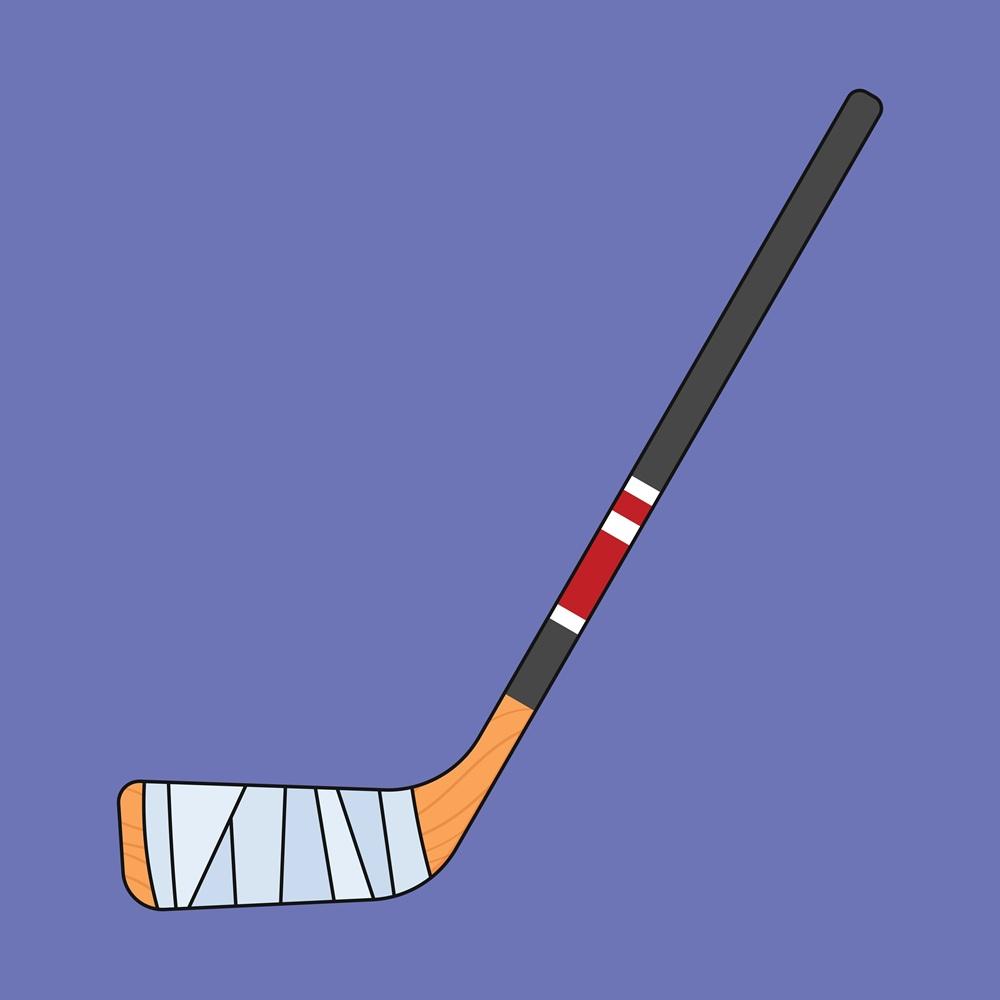
A hockey stick is much more than a piece of equipment used to move the puck. It influences how a player handles the puck, receives passes, shoots and responds to different situations on the ice. Finding the right stick can therefore make a noticeable difference to both comfort and confidence, whether someone is playing their first season or has years of experience.
Modern hockey sticks are available in a wide range of materials, lengths, flex ratings and blade designs. Lightweight composite models are common in competitive ice hockey, but traditional wooden hockey sticks continue to have an important place in the sport. Their familiar feel, straightforward construction and accessibility make them attractive for recreational games, training sessions and players who appreciate a more traditional playing experience.
Choosing a hockey stick is not simply about buying the most expensive model or selecting the same equipment as a professional player. A stick needs to suit the player’s height, strength, technique and preferred position. The conditions in which it will be used also matter, particularly when comparing organised ice hockey with outdoor practice.
Understanding the differences between stick designs makes it easier to find equipment that supports natural movement and helps players develop their skills.
Wooden hockey sticks and their place in modern hockey
Wooden hockey sticks have been part of ice hockey for generations. Before composite materials became widespread, players relied on wooden constructions for passing, shooting and controlling the puck. Although technology has changed considerably, wooden sticks remain a practical option for several types of hockey activity.
At Hockeystore.com, players can explore wooden hockey sticks in different sizes and designs, including options for younger players and adults. Models from established hockey equipment manufacturers provide alternatives for those looking for traditional stick characteristics rather than the latest lightweight composite construction.
One of the defining qualities of a wooden stick is its feel. Wood tends to transmit and dampen vibrations differently from carbon-fibre composite materials, giving players a distinct sense of contact with the puck. Some players particularly appreciate this when receiving passes or practising controlled puck movements.
Wooden sticks are generally heavier than premium composite alternatives. While additional weight can make rapid stick movements more demanding, it may also provide a solid, familiar sensation during handling drills. However, a heavier stick should not automatically be considered better for building strength, especially for younger players who need equipment they can control comfortably.
Price is another reason wooden hockey sticks remain relevant. They are often more affordable than advanced composite models, making them attractive for beginners, casual players and situations where several sticks are needed for practice.
Durability depends on the construction and intended use. Wooden sticks can tolerate certain impacts well, but they are also vulnerable to moisture, cracking and wear. Repeated contact with rough surfaces can damage the blade, while strong bending forces may eventually cause the shaft to fail.
For outdoor practice, it is particularly important to consider the playing surface. Asphalt and concrete are abrasive and can wear down a wooden blade quickly. A stick intended for street hockey or a suitable blade protector may be preferable when practising away from the ice.
Wooden sticks therefore offer a useful alternative rather than a universal replacement for composite equipment. Their value lies in matching their characteristics to the player’s expectations and the environment in which they will be used.
Finding the correct stick length and flex
Stick length is one of the first details to consider when choosing hockey equipment. A stick that is too long can make close puck handling difficult, while one that is too short may force the player into an uncomfortable posture or limit reach.
A commonly used starting point is to stand the stick vertically in front of the body and compare its height with the player’s chin or nose. The appropriate measurement depends on whether the player is wearing skates, as well as individual preferences and playing style.
This is only a general guide. Some players prefer shorter sticks because they allow the puck to remain closer to the body during quick movements. Others choose slightly longer sticks for additional reach when defending or intercepting passes.
The important factor is whether the player can maintain a comfortable stance while handling the puck naturally. A suitable length should support control without forcing the wrists, shoulders or back into awkward positions.
For children, stick length deserves particular attention. Buying an excessively long stick in anticipation of future growth can make learning basic skills unnecessarily difficult. A properly sized youth stick usually provides a better foundation for developing technique.
Flex is another important characteristic, especially for composite sticks. The flex rating describes the force required to bend the shaft by a specified amount under standardised testing conditions. A lower rating generally indicates a more flexible shaft, while a higher rating indicates greater stiffness.
The appropriate flex depends on several factors, including body weight, strength, shooting technique and personal preference. A stick that is too stiff may be difficult to load during a shot, while one that is too flexible may feel less stable for certain players.
Traditional wooden sticks do not always use the same detailed flex classifications as modern composite models. Their bending characteristics are influenced by the wood, reinforcement materials and overall construction.
Cutting a stick shorter can also change how stiff it feels during play. Removing length reduces the leverage available to bend the shaft, making the stick feel stiffer even though the original manufacturer’s flex rating has not changed.
Players should therefore consider length and flexibility together rather than treating them as separate specifications. A stick that feels comfortable during a few controlled passes may not necessarily behave the same way during a powerful shot.
Blade design and shooting technique
The blade is the part of the hockey stick that interacts directly with the puck. Its shape affects how the puck sits against the stick, how easily passes can be controlled and how the puck leaves the blade during a shot.
One of the most important features is the blade curve. Different patterns have different amounts and positions of curvature, influencing puck handling and shooting characteristics.
A more pronounced curve can help certain players lift the puck and perform particular shooting movements, but it may also require greater precision when receiving passes or controlling the puck on the backhand.
A straighter blade can provide a different feeling during passing and backhand play. Neither design is automatically superior, and the best choice depends on technique and familiarity.
Blade patterns are often identified by manufacturer-specific codes. Although some patterns from different brands are similar, the naming systems are not always identical. It is therefore useful to compare actual blade shapes rather than relying entirely on model names.
Another consideration is whether the player shoots left-handed or right-handed. In hockey terminology, this refers to the side on which the blade is positioned during normal play, not necessarily the player’s dominant writing hand.
A left-handed hockey stick is generally used with the right hand at the top of the shaft and the left hand lower down. A right-handed stick uses the opposite arrangement. Many players discover their preferred orientation naturally when first learning to handle a stick.
The blade’s lie also affects how it contacts the ice. This describes the angle between the shaft and blade when the blade rests on the playing surface. A suitable lie helps the player maintain useful blade contact while standing in a natural hockey position.
Shooting technique is equally important. A wrist shot relies on coordinated movement, weight transfer and the controlled release of the puck. A slap shot involves a different loading action and can place substantial stress on the stick.
Beginners generally benefit more from developing consistent technique than from seeking a highly specialised blade pattern. As their skills improve, they can experiment with different curves and designs to discover which characteristics suit their game.
Choosing a hockey stick for your level of play
A player’s experience and playing environment should guide the choice of hockey stick. Someone attending occasional recreational sessions may have very different requirements from a competitive player training several times a week.
For beginners, comfort and control should take priority. A reasonably priced wooden stick can be suitable for learning fundamental skills, provided that its size and weight are appropriate. It allows players to practise passing, receiving the puck and basic shooting without making a substantial investment.
Junior players need equipment designed for their physical development. Youth and junior sticks are generally smaller and lighter than adult models, making them easier to handle. The correct category should be determined by the player’s actual measurements rather than age alone.
More experienced players may place greater importance on weight, responsiveness and specific shooting characteristics. Composite sticks offer a wide range of constructions and performance profiles, making them attractive for players with established preferences.
However, traditional wooden sticks can still be useful for casual games or selected training activities. Some players enjoy the different puck feel and use them alongside their regular match equipment.
Position can also influence preferences. Defenders sometimes favour additional reach for poke checks and intercepting passes, while forwards may prioritise quick puck handling in confined spaces. These are tendencies rather than fixed rules, and individual technique remains more important than position alone.
The playing surface should also influence the decision. Equipment used exclusively on indoor ice experiences different wear from sticks used on outdoor rinks or rough training surfaces.
Budget is another practical consideration. A player who trains frequently may prefer to invest in a stick that closely matches their established requirements. Someone just beginning the sport may benefit more from choosing a suitable, affordable model and gaining experience before exploring specialised designs.
Whatever the level, it is worth testing how a stick feels during normal hockey movements. A comfortable grip, appropriate balance and natural puck control are often better indicators of suitability than technical specifications considered in isolation.
Looking after your stick and knowing when to replace it
Regular maintenance helps hockey sticks remain comfortable and reliable. Although sticks are designed to withstand demanding play, repeated impacts, moisture and abrasion gradually affect their condition.
Hockey tape is commonly applied to the blade to protect its surface and improve the player’s preferred feel when controlling the puck. Tape can also be used around the upper shaft to create a secure grip.
The amount and style of tape are matters of personal preference. Some players cover most of the blade, while others prefer a smaller taped area. What matters is that the tape remains secure and does not interfere with normal handling.
After playing, it is sensible to inspect the blade and shaft for visible damage. Wooden sticks deserve particular attention because cracks, splintering and moisture damage can weaken their structure.
A damaged blade may no longer provide consistent puck contact. Cracks in the shaft are more serious because they can cause the stick to break unexpectedly during play.
Wooden sticks should be allowed to dry after exposure to snow or moisture. Leaving a wet stick in a damp equipment bag for extended periods can contribute to deterioration. Storage in a dry environment, away from excessive heat, is generally preferable.
Players should also check whether the stick still suits their needs. Children grow, techniques develop and playing styles change. A stick that worked well at the beginning of a season may eventually become too short or unsuitable.
There is no fixed replacement interval that applies to every hockey stick. The decision should be based on condition, performance and whether the equipment continues to provide reliable control.
Choosing the right hockey stick ultimately involves balancing several factors. Material, length, blade shape, weight and playing conditions all contribute to the overall experience. A wooden stick can be an excellent option for recreational hockey and skill development, while other players may prefer the characteristics of a modern composite model.
The best stick is one that allows the player to move naturally, handle the puck confidently and enjoy the game. By understanding the available options and paying attention to how equipment feels in practice, players can make a choice that supports their development on the ice.